May 29, 2026

credit card

Purchasing Bitcoin with a credit card is a popular yet complex method. This guide explores the process, highlighting potential risks and security measures to help you make informed decisions. Understanding the intricacies of cryptocurrency transactions is crucial before engaging in such activities.

From the basic concept of Bitcoin and its underlying blockchain technology to a detailed comparison of different purchase methods, this guide provides a thorough overview. It covers security concerns, regulatory aspects, and alternative purchasing strategies. This information empowers you to navigate the world of Bitcoin purchases safely and effectively.

Introduction to Bitcoin Purchasing

Bitcoin, a decentralized digital currency, has gained significant traction as an alternative form of payment. Its unique characteristics, such as its limited supply and secure transactions, have attracted both investors and everyday users. Understanding the mechanics of acquiring Bitcoin is crucial for anyone considering engaging in this digital asset.

Defining Bitcoin and Cryptocurrency

Bitcoin is a type of cryptocurrency, a digital or virtual currency designed to work as a medium of exchange. Cryptocurrencies utilize cryptography for security and control of the creation and transactions of the currency. This cryptographic approach ensures the integrity and transparency of transactions, minimizing the risk of fraud and double-spending. Bitcoin, being one of the earliest and most well-known cryptocurrencies, serves as a prime example of this technology.

Methods of Acquiring Bitcoin

There are several avenues for acquiring Bitcoin. Each method presents different advantages and disadvantages in terms of ease of use, fees, and security. Understanding these options is essential for making informed decisions about acquiring this digital asset.

Comparison of Bitcoin Purchasing Methods

Method Description Ease of Use Fees Security
Bitcoin Exchange Platforms that allow users to buy and sell Bitcoin using traditional currencies (e.g., USD, EUR). Generally user-friendly, with various features and tools. Fees can vary based on volume and transaction type. High security measures are typically implemented, but risks exist.
Peer-to-Peer (P2P) Direct transactions between buyers and sellers, often facilitated through specialized platforms. Can be straightforward, but requires more due diligence. Fees often negotiated directly by parties involved. Security is often reliant on the reputation and verification of the seller.
Credit Card Using credit cards to purchase Bitcoin through specific exchanges or platforms. May be simple if you have a credit card that allows for cryptocurrency transactions. Transaction fees charged by both the platform and the credit card provider. Security depends on the security measures implemented by the platform.

This table provides a general overview. The specifics of each method can differ depending on the chosen platform or service. Thorough research and understanding of the platform’s terms and conditions are crucial for a secure experience.

Buying Bitcoin with Credit Cards

Best Places to Buy Bitcoin With a Credit Card • Blocklr

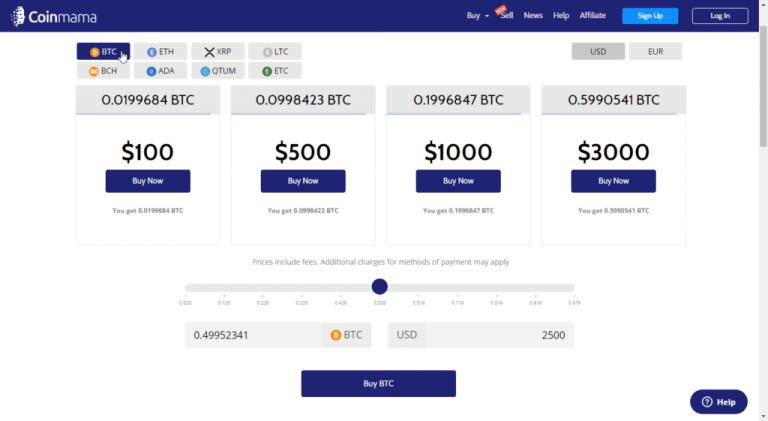
Purchasing Bitcoin using credit cards is a common method, offering a convenient way to acquire the cryptocurrency. However, it’s crucial to understand the associated processes, costs, security considerations, and potential risks before engaging in such transactions.The process generally involves selecting a Bitcoin exchange platform that supports credit card payments. Users input their credit card details, specify the amount of Bitcoin they wish to buy, and the platform facilitates the transaction.

This often involves a conversion of fiat currency (like USD or EUR) to Bitcoin, at a prevailing market rate.

Process of Buying Bitcoin with Credit Cards

Bitcoin exchanges typically facilitate the purchase process. Users provide their credit card information, select the desired amount of Bitcoin, and the exchange completes the transaction. This process usually involves several steps: platform selection, account creation (if necessary), inputting credit card details, confirming the transaction amount, and finalizing the purchase.

Fees and Commissions

Transaction fees are common in these transactions. Exchanges typically charge fees for the credit card processing, often a percentage of the transaction value or a flat fee. Additional fees might be applied for currency conversion, network transaction fees, or platform-specific charges. These fees can significantly impact the overall cost of acquiring Bitcoin. For example, a 2.5% fee on a $1,000 purchase adds $25 to the transaction cost.

Security Implications

Using credit cards for Bitcoin purchases involves inherent security risks. Credit card fraud is a significant concern, and Bitcoin exchanges are vulnerable to security breaches. The sensitive nature of credit card information necessitates robust security measures from both the user and the exchange. Using strong passwords, enabling two-factor authentication, and regularly monitoring account activity are crucial steps users can take.

Comparison to Other Methods

Alternative methods for purchasing Bitcoin include bank transfers, peer-to-peer transactions, or using other payment methods like debit cards or bank accounts. These methods may have varying levels of security and transaction fees. Each approach presents unique advantages and disadvantages, and the optimal choice depends on individual circumstances and risk tolerance.

Potential Risks and Fraud Scenarios

Potential risks include fraudulent exchanges, phishing scams, and unauthorized access to accounts. Users should be cautious of unfamiliar websites or platforms. Maintaining vigilance against suspicious activities and only using reputable exchanges are key precautions. A significant risk is the potential for chargebacks if the transaction is deemed fraudulent by the card issuer.

Regulatory Landscape

The regulatory landscape surrounding Bitcoin purchases using credit cards varies significantly across jurisdictions. Some regions have specific regulations for cryptocurrency exchanges, while others have limited guidance. It is crucial for users to research the applicable regulations in their region to understand the potential legal implications.

Pros and Cons of Buying Bitcoin with Credit Cards

Pros Cons
Convenience and ease of use. Many people find it easier than alternative methods. Higher transaction fees compared to some alternative payment methods.
Potentially wider availability for certain users. Increased risk of credit card fraud, potentially leading to chargebacks or account issues.
Potentially faster transaction times. Fees may vary significantly between platforms, requiring thorough comparison.
Ability to buy Bitcoin without a bank account in some situations. Regulatory uncertainty in certain regions may lead to compliance issues.

Alternatives to Buying Bitcoin with Credit Cards

Purchasing Bitcoin with credit cards offers convenience but often comes with higher fees and potential restrictions. Exploring alternative methods can lead to more cost-effective and flexible approaches to acquiring Bitcoin. Understanding these options empowers informed decision-making when entering the cryptocurrency market.Various methods exist for acquiring Bitcoin beyond credit card purchases. These alternatives cater to diverse needs and preferences, offering varying degrees of convenience, cost, and security.

A comprehensive overview of these options is crucial for making the best choice for individual circumstances.

Bank Transfers and Wire Transfers

Bank transfers and wire transfers are traditional methods of moving funds. These options offer a straightforward way to transfer funds from a bank account to a Bitcoin exchange. While generally secure, they often involve processing times, which can range from a few hours to a few days.

Peer-to-Peer (P2P) Exchanges

P2P exchanges connect buyers and sellers directly, enabling transactions outside traditional exchange platforms. This approach provides greater control over the transaction process but may involve higher risks if not conducted through reputable platforms. Buyers need to be vigilant about verifying the seller’s identity and the legitimacy of the transaction.

Debit Cards and Bank Account Deposits

Debit cards and direct bank account deposits allow users to deposit funds into their exchange accounts. This method is generally convenient and often processed swiftly. However, transaction fees might vary depending on the exchange and the bank involved.

Other Payment Methods

Other payment methods, such as cryptocurrency-specific wallets and online payment systems, also facilitate Bitcoin purchases. These methods offer diverse options but may have unique restrictions or associated fees. Understanding the specifics of each payment method is crucial for informed decision-making.

Comparison of Bitcoin Exchange Platforms and Payment Options

Exchange Platform Supported Payment Methods Fees Security Rating
Coinbase Bank transfers, debit cards, credit cards Variable High
Kraken Bank transfers, debit cards, wire transfers, cryptocurrency deposits Variable High
Binance Bank transfers, debit cards, credit cards, various cryptocurrencies Variable High
Gemini Bank transfers, debit cards, credit cards Variable High
Bitstamp Bank transfers, SEPA transfers, various cryptocurrencies Variable High

Note: Fees and security ratings are general indicators and can vary depending on the specific transaction. Always verify with the platform for the most up-to-date information.

Security and Risks in Bitcoin Transactions

Bitcoin, while offering exciting possibilities, comes with inherent security risks. Understanding these risks and adopting best practices is crucial for safeguarding your investment. This section delves into common pitfalls and provides strategies to mitigate them.

Common Security Risks

Bitcoin transactions, while generally secure, are susceptible to various threats. These include phishing attacks, fraudulent exchanges, and malicious software. Protecting your Bitcoin holdings requires vigilance and a proactive approach to security.

Best Practices for Securing Bitcoin Purchases

Employing robust security measures is paramount when purchasing Bitcoin. Choose reputable exchanges and platforms with strong security protocols. Always double-check the legitimacy of any website or platform before entering your credentials or making transactions.

Importance of Strong Passwords and Two-Factor Authentication

Strong passwords and two-factor authentication (2FA) are critical for safeguarding your accounts. A strong password, ideally a combination of upper and lowercase letters, numbers, and symbols, makes it significantly harder for unauthorized access. 2FA adds an extra layer of security by requiring a code from a separate device, making it almost impossible for attackers to gain access even if they know your password.

Examples of Common Scams and Phishing Attempts

Numerous scams target Bitcoin users. Phishing emails or messages often impersonate legitimate exchanges, requesting personal information or directing users to fake websites. Be cautious of unsolicited emails or messages claiming to offer high returns on your Bitcoin investments. Always verify the authenticity of any communication before responding. A common scam involves fake Bitcoin giveaways.

These often require users to provide personal information or complete tasks to claim the supposed prize.

Identifying Fraudulent Websites or Platforms

Spotting fraudulent websites is crucial. Look for inconsistencies in the website’s design, poor grammar or spelling, and a lack of contact information. Check for security certificates (HTTPS) to ensure the site is encrypted and protects your data. Scrutinize the exchange’s reputation. Check online forums and reviews to determine whether other users have encountered issues.

If there are multiple complaints about a particular exchange, avoid using it.

Role of Cold Storage in Safeguarding Bitcoin

Cold storage, often referred to as offline storage, is a crucial component in securing Bitcoin. This involves storing your private keys offline, typically on a hardware wallet, to prevent access by hackers or malware. Using a cold storage solution significantly reduces the risk of your Bitcoin being compromised through online attacks. While online wallets provide convenience, cold storage provides a critical level of security for long-term storage of your Bitcoin.

Buying Bitcoin – General Information

Bitcoin, a decentralized digital currency, has captivated global attention. Its revolutionary nature stems from its underlying blockchain technology, a secure and transparent system for recording transactions. This section provides a comprehensive overview of Bitcoin, its history, potential, and applications.Bitcoin’s value stems from its limited supply and decentralized nature. Unlike traditional currencies controlled by central banks, Bitcoin’s supply is predetermined, contributing to its potential as a store of value.

This unique characteristic has attracted investors and users seeking alternative financial options.

Overview of Bitcoin

Bitcoin is a peer-to-peer digital currency, operating without intermediaries. Transactions are verified and recorded on a distributed ledger called a blockchain. This system ensures transparency and security, making it an attractive alternative to traditional financial systems. Bitcoin’s value is determined by market forces, influenced by factors such as supply and demand.

Blockchain Technology

Blockchain technology is the foundation of Bitcoin’s functionality. It’s a shared, immutable ledger that records transactions across a network of computers. Each transaction is grouped into blocks, chained together chronologically. This creates a tamper-proof record of all transactions, enhancing security and transparency. Cryptography plays a crucial role in securing the blockchain and verifying transactions.

History and Evolution of Bitcoin

Bitcoin’s genesis can be traced back to 2008 with the publication of a whitepaper outlining its concept. Satoshi Nakamoto, the pseudonymous creator, introduced a revolutionary approach to digital currency. Since then, Bitcoin has undergone significant evolution, gaining widespread adoption and acceptance. The rise and fall of Bitcoin’s value have been influenced by factors such as regulatory developments, technological advancements, and market sentiment.

Potential Future of Bitcoin

Bitcoin’s future is uncertain but holds significant potential. Its decentralized nature and growing adoption in various sectors suggest a bright future. However, regulatory hurdles and technological challenges could impact its trajectory. The integration of Bitcoin with other technologies, like smart contracts, could unlock new possibilities and expand its use cases.

Bitcoin’s Use Cases and Applications

Bitcoin’s applications extend beyond simple transactions. It can be used for international remittances, enabling faster and cheaper transfers across borders. Bitcoin can also serve as a hedge against inflation, attracting investors seeking alternative store-of-value options. Additionally, Bitcoin can facilitate transactions in areas where traditional financial systems are limited or unavailable. Furthermore, it is used in speculative trading and investments.

Comparison with Other Cryptocurrencies

Bitcoin stands out as one of the earliest and most established cryptocurrencies. Other cryptocurrencies, such as Ethereum and Litecoin, offer different features and functionalities. Bitcoin’s strengths lie in its established market presence and proven track record. However, other cryptocurrencies might offer specific advantages, such as smart contract functionality or faster transaction speeds.

Real-World Applications of Bitcoin

Real-world applications of Bitcoin are emerging across various industries. Some businesses now accept Bitcoin as payment, enabling customers to utilize a more diverse range of financial options. The use of Bitcoin in micro-payments is another growing application. Furthermore, Bitcoin is employed in remittances to areas with limited banking access.

Comparison Table: Bitcoin vs. Other Cryptocurrencies

Feature Bitcoin Ethereum Litecoin
Market Capitalization (approx.) $Billions $Billions $Billions
Transaction Speed Relatively slow Variable Faster
Transaction Fees Variable Variable Generally lower
Use Cases General payments, investment Smart contracts, decentralized applications Alternative payment

Note: Market capitalizations are subject to change. The table provides a general comparison and does not include all cryptocurrencies.

Additional Considerations

Investing in Bitcoin, like any other investment, comes with a range of factors beyond the initial purchase. Understanding the tax implications, legal frameworks, and inherent risks is crucial for informed decision-making. This section delves into these considerations, offering a comprehensive overview to help navigate the complexities of Bitcoin investment.

Tax Implications of Bitcoin Purchases

Tax treatment of Bitcoin varies significantly across jurisdictions. The fluctuating nature of Bitcoin’s value and its classification as a digital asset often lead to differing tax implications depending on the investor’s location and investment strategy.

  • Different jurisdictions have distinct rules regarding capital gains or losses on Bitcoin transactions. Some countries may classify Bitcoin as property, while others may treat it as currency, influencing the applicable tax rates and reporting requirements.
  • Investors must carefully research and understand the tax regulations in their specific jurisdiction. Consult with a qualified tax advisor to ensure compliance and avoid potential penalties.
  • Record-keeping is paramount for accurate tax reporting. Detailed transaction records, including dates, amounts, and any associated fees, are essential for tax purposes. Thorough documentation ensures transparency and reduces the risk of errors.

Legal and Regulatory Frameworks Surrounding Bitcoin

Governments worldwide are developing regulations for digital assets, including Bitcoin. This evolving landscape can impact investors’ rights, obligations, and potential liabilities.

  • Legal frameworks surrounding Bitcoin vary significantly by country. Some countries have embraced Bitcoin more readily, establishing clear guidelines for its use and trade, while others have adopted a more cautious approach.
  • Regulatory bodies often define Bitcoin’s legal status and address issues like money laundering, tax evasion, and investor protection. Understanding these regulations is crucial for compliant investment practices.
  • The constantly changing legal and regulatory environment demands continuous monitoring and adaptation. Investors should stay updated on developments in their respective jurisdictions to maintain compliance.

KYC and AML Regulations in Bitcoin Transactions

Know Your Customer (KYC) and Anti-Money Laundering (AML) regulations are crucial for safeguarding financial systems and combating illicit activities. These regulations also impact Bitcoin transactions.

Bitcoin exchanges and platforms are increasingly subject to KYC and AML regulations. These regulations are designed to verify the identity of users and to prevent the use of Bitcoin for money laundering or other illegal activities. Compliance with these regulations is essential for the legitimate use of Bitcoin.

Impact of Bitcoin Volatility on Investments

Bitcoin’s price fluctuates significantly. This volatility poses a risk for investors.

Bitcoin’s price is known for its substantial fluctuations. The price can increase or decrease rapidly, impacting the value of investments. Investors should be prepared for potential losses due to market volatility. Diversification and risk management strategies can mitigate these risks.

Factors Affecting Bitcoin Prices

Numerous factors influence Bitcoin’s price. These include market sentiment, news events, and regulatory developments.

  • Market sentiment, reflecting investor confidence and expectations, plays a crucial role in determining Bitcoin’s price. Positive sentiment generally leads to price increases, while negative sentiment can cause declines.
  • News events, such as regulatory announcements or major technological breakthroughs, can significantly affect Bitcoin’s price. The impact can be immediate and substantial.
  • Technological advancements or security breaches can also influence Bitcoin’s value. Improvements in the blockchain or vulnerabilities in the network can cause significant price changes.

Importance of Research and Understanding Risks Before Investing

Thorough research and understanding of potential risks are paramount before investing in Bitcoin. This includes assessing your own financial situation and risk tolerance.

Before investing in Bitcoin, it is essential to thoroughly research the asset and its associated risks. This includes evaluating your personal financial situation, risk tolerance, and investment goals. Understanding the intricacies of Bitcoin is crucial to making informed decisions.

Tax Implications Table

Jurisdiction Capital Gains Tax Rate Investment Strategy Additional Considerations
United States Dependent on income bracket Short-term or long-term Reporting requirements vary by exchange.
United Kingdom Based on income level Hedging or trading strategies Taxation is applied to realized gains.
Canada Progressive tax system Retirement savings or speculative investment Capital gains are taxable.

Last Point

In conclusion, buying Bitcoin with a credit card presents both opportunities and risks. Carefully weigh the pros and cons, assess your comfort level with cryptocurrency investments, and prioritize security measures to protect your assets. This comprehensive guide equips you with the knowledge to make informed decisions regarding your Bitcoin purchases.

Answers to Common Questions

What are the typical fees associated with buying Bitcoin with a credit card?

Fees vary significantly depending on the platform. Some exchanges charge a percentage of the transaction amount, while others may add a flat fee. It’s crucial to review the fees before making any purchase.

What are some common security risks when using credit cards for Bitcoin purchases?

Security risks include fraudulent websites, scams, and the potential for data breaches. Always verify the legitimacy of the platform and use strong passwords and two-factor authentication.

What are the tax implications of buying Bitcoin with a credit card?

Tax implications depend on your location and investment strategy. It’s essential to consult with a tax professional to understand the applicable regulations in your jurisdiction.

What are some alternative methods for acquiring Bitcoin?

Alternative methods include using bank transfers, peer-to-peer exchanges, or purchasing Bitcoin through other payment methods. Each method has its own set of advantages and disadvantages, including cost and convenience.

Purchasing Bitcoin with credit cards online has become increasingly popular, offering a convenient method for acquiring this digital currency. This guide delves into the process, exploring the various platforms available, security considerations, and alternative payment options.

Understanding the nuances of online Bitcoin purchases is crucial. This detailed guide will walk you through the process, from initial setup to ongoing security practices. We’ll cover the pros and cons of credit card use, compare different platforms, and highlight potential risks.

Introduction to Bitcoin Purchasing

Bitcoin, a decentralized digital currency, functions as a peer-to-peer payment system. Unlike traditional currencies issued by central banks, Bitcoin operates on a distributed ledger technology called blockchain. This allows for secure and transparent transactions without intermediaries. Bitcoin’s value is determined by market forces, fluctuating based on supply and demand.Acquiring Bitcoin involves several methods, each with its own characteristics and implications for users.

Understanding these methods is crucial for making informed decisions about purchasing Bitcoin.

Methods of Acquiring Bitcoin

Different methods exist for acquiring Bitcoin, each with its own set of advantages and disadvantages. Understanding these nuances allows individuals to choose the method best suited to their needs and risk tolerance.

  • Using cryptocurrency exchanges: Cryptocurrency exchanges are online platforms that facilitate the buying and selling of cryptocurrencies, including Bitcoin. These platforms typically offer a wide range of payment options, including credit cards. A key benefit is the convenience and liquidity provided by these platforms. However, users must be aware of the potential risks associated with exchange security and platform fees.

  • Using peer-to-peer (P2P) platforms: P2P platforms connect buyers and sellers directly, enabling transactions without intermediaries. This can potentially result in lower fees compared to exchanges. However, security is a critical concern in P2P transactions. Careful verification of the seller and secure payment methods are crucial to minimize risks.
  • Buying Bitcoin directly from a vendor: Some vendors, like specialized retail stores, may accept Bitcoin for goods or services. This method is less common but can offer a unique way to acquire Bitcoin. Finding vendors willing to accept Bitcoin might require extra effort.

History and Evolution of Bitcoin Transactions

Bitcoin’s transaction history demonstrates a dynamic evolution, reflecting the technological and market changes surrounding cryptocurrency.Bitcoin transactions utilize a cryptographic system, which ensures security and immutability. The blockchain ledger records every transaction, creating an auditable history of all Bitcoin activity. This transparency, combined with the decentralized nature of the system, distinguishes Bitcoin from traditional financial systems.

Concept of Cryptocurrency Exchanges

Cryptocurrency exchanges are essential components of the Bitcoin ecosystem, acting as marketplaces for trading digital assets. These exchanges facilitate the buying and selling of cryptocurrencies, including Bitcoin, by connecting buyers and sellers.

  • Liquidity and Trading Volume: Exchanges provide liquidity, enabling users to buy and sell Bitcoin quickly and efficiently. High trading volume signifies a vibrant market and greater accessibility for buyers and sellers.
  • Security and Regulation: Security measures are vital for protecting user funds and preventing fraud. Regulations vary across jurisdictions, impacting the operation and accessibility of exchanges.
  • Types of Exchanges: Different types of exchanges cater to various needs, ranging from beginner-friendly platforms to advanced trading options. Understanding the available options is crucial for choosing the most suitable exchange.

Buying Bitcoin with Credit Cards Online

Purchasing Bitcoin using credit cards online has become a popular method, but it’s crucial to understand the process, available platforms, associated risks, and potential rewards. This method offers convenience but carries significant implications that should be carefully evaluated before engaging.Online platforms facilitate Bitcoin purchases with credit cards, providing a streamlined process for acquiring the cryptocurrency. However, users need to be aware of the security measures employed by these platforms and the potential downsides, including fees and transaction times.

Online Platforms for Bitcoin Purchases

Several online platforms facilitate Bitcoin purchases using credit cards. These platforms often provide varying degrees of security and user experience. Reputable exchanges with robust security protocols are recommended.

  • Crypto.com: A widely recognized cryptocurrency exchange, Crypto.com offers a platform for purchasing Bitcoin with credit cards. They employ robust security measures, including two-factor authentication and encryption protocols. Their transaction fees and processing times are typically competitive.
  • Coinbase: Coinbase is another prominent cryptocurrency exchange where users can buy Bitcoin with credit cards. They are known for their user-friendly interface and comprehensive security measures. Their transaction fees and times are often competitive.
  • Binance: Binance is a global cryptocurrency exchange with a significant user base. It provides a wide range of cryptocurrencies and often has competitive transaction fees. Security measures are important to consider when purchasing through Binance.

Security Considerations

Security is paramount when using credit cards to buy Bitcoin online. Users should carefully review the security measures implemented by each platform, including encryption protocols, two-factor authentication, and user verification procedures. Platforms with robust security protocols are more trustworthy.

Advantages and Disadvantages of Credit Card Purchases

Using credit cards to buy Bitcoin online offers convenience but also has potential drawbacks. The ease of use is attractive but potential risks need to be addressed.

  • Advantages: Convenience is a key advantage. Credit cards offer a simple and familiar way to buy Bitcoin, avoiding the complexities of bank transfers or other methods. Immediate access to Bitcoin is possible.
  • Disadvantages: Transaction fees are often associated with credit card purchases of Bitcoin. These fees can vary significantly depending on the platform and the credit card used. Also, credit card purchases are subject to standard credit card interest rates, which could impact the overall cost of acquiring Bitcoin.

Potential Risks and Fraud

Using credit cards for Bitcoin purchases comes with risks. Scams and fraudulent platforms are possible. Users must verify the platform’s legitimacy and take precautions to avoid becoming victims of fraud.

  • Scams: Be wary of unfamiliar platforms or websites offering exceptionally low prices or unusually fast transaction times. Verify the legitimacy of the platform using multiple resources.
  • Fraudulent Activities: Review the platform’s security features to protect yourself from unauthorized access. Implement robust security measures, like strong passwords and two-factor authentication.

Step-by-Step Procedure

The process of buying Bitcoin with a credit card typically involves these steps:

  1. Choose a platform: Select a reputable platform offering Bitcoin purchases using credit cards.
  2. Create an account: Complete the registration process on the chosen platform, providing necessary information.
  3. Add credit card: Add your credit card details securely to the platform’s account for future transactions.
  4. Initiate transaction: Specify the amount of Bitcoin you wish to purchase.
  5. Confirm transaction: Review the transaction details and confirm the purchase.

Comparison of Platforms

A table comparing transaction fees and processing times for various platforms can be helpful in making informed decisions:

Platform Average Transaction Fee Average Processing Time (minutes)
Crypto.com 0.5-2% 1-5
Coinbase 1-3% 2-8
Binance 0.5-1.5% 3-10

Alternatives to Credit Card Purchases

Purchasing Bitcoin using credit cards offers convenience but may come with fees and limitations. Alternative methods provide diverse options for acquiring Bitcoin, each with its own set of advantages and disadvantages. Understanding these alternatives allows for informed decision-making regarding the most suitable method for individual circumstances.

Bank Transfers

Bank transfers, typically involving wire transfers or direct bank-to-bank transactions, are a widely used method for financial transactions. This method often allows for substantial sums of Bitcoin to be purchased, although transaction times may vary based on the institution and geographical location.

  • Advantages include the potential for lower fees compared to credit card purchases, and in some cases, the ability to avoid transaction restrictions imposed by payment processors.
  • Disadvantages include the necessity of providing bank account details, which raises security concerns. Additionally, transactions might be subject to delays, impacting the immediate acquisition of Bitcoin.
  • Security considerations involve protecting sensitive financial information, such as account numbers and routing details, during the transaction process. Utilizing secure platforms and double-checking transaction details is paramount.

Gift Cards

Gift cards, pre-paid cards, or other similar payment methods provide a degree of anonymity in transactions, potentially masking the buyer’s identity. However, they can have limitations in transaction amounts and may be subject to restrictions imposed by the issuer.

  • Advantages include relative anonymity, potentially lowering the risk of identity theft, and in some cases, offering a convenient way to avoid revealing credit card information.
  • Disadvantages include transaction limits on individual gift cards, and the possibility of fraud or disputes related to gift card use.
  • Security considerations revolve around verifying the legitimacy of the gift card and the retailer where it was purchased. Using reputable vendors and verifying the authenticity of the gift card is crucial.

Other Payment Methods

Other methods for purchasing Bitcoin include cryptocurrency exchanges, peer-to-peer (P2P) platforms, and specific online payment processors that specialize in cryptocurrency transactions.

  • These methods can present varying levels of convenience, security, and fees, dependent on the platform used. Peer-to-peer platforms, for instance, often connect buyers directly with sellers, potentially enabling lower fees but increasing the need for careful due diligence to verify the seller’s legitimacy.

Comparison Table

Payment Method Advantages Disadvantages Security Considerations
Bank Transfers Potentially lower fees, larger transaction amounts possible Transaction delays, security risk of sharing bank details Secure platforms, double-check transaction details
Gift Cards Relative anonymity, convenience Transaction limits, fraud/dispute risk Verify gift card legitimacy, use reputable vendors
Other Payment Methods Varying convenience, security, and fees based on platform Potential for scams, platform-specific restrictions Thorough research on the platform, buyer verification

Security and Risk Mitigation

How To Buy Bitcoin With A Credit Card: 2025 Step-By-Step Guide

Protecting your financial assets and personal information is paramount when engaging in online Bitcoin purchases. A diligent approach to security minimizes the risk of financial loss and identity theft. This section Artikels crucial steps for safe Bitcoin transactions.

Security Measures for Online Bitcoin Purchases

Careful consideration of security measures is essential to prevent fraudulent activities. Implementing strong security protocols and understanding potential risks are crucial to a secure Bitcoin transaction.

  • Thorough Platform Research: Before using any platform for Bitcoin purchases, meticulously investigate its reputation, user reviews, and security measures. Check for certifications and licenses to ensure the platform is legitimate and operates within regulatory guidelines. A robust online presence with detailed information about the platform and its team will help determine its legitimacy and trustworthiness. Verify if the platform has implemented necessary security measures and safeguards to protect user data.

    A platform’s security policies and customer support channels should be reviewed and understood.

  • Secure Online Transactions: Ensure the platform employs robust encryption methods to protect sensitive information during transactions. Look for “https” in the website address, indicating a secure connection. Avoid using public Wi-Fi networks for financial transactions. Using a VPN for added security can help protect your information when connected to public networks.
  • Strong Passwords and Two-Factor Authentication (2FA): Establish complex, unique passwords for your accounts. Consider using a password manager for secure password storage. Enabling 2FA adds an extra layer of security, requiring a second verification step beyond a password. This crucial step significantly reduces the risk of unauthorized access.

Protecting Personal Information

Protecting personal information is critical to mitigate risks. Cybersecurity best practices should be adhered to consistently.

  • Avoid Sharing Sensitive Information: Never share your passwords, bank account details, or social security numbers with anyone claiming to be from the Bitcoin platform. Be cautious about unsolicited requests for personal information. A genuine platform will not ask for such sensitive data. Phishing scams frequently target users with deceitful requests.
  • Review Terms and Conditions: Carefully review the platform’s terms and conditions to understand their policies regarding user data protection and security. Ensure the platform’s terms and conditions Artikel clear security procedures to protect users.

Recognizing Fraudulent Websites

Identifying fraudulent websites is essential to avoid scams. Be vigilant in distinguishing legitimate platforms from deceitful ones.

Characteristic Description
Suspicious URLs Websites with unusual or misspelled domain names, or those using similar-looking domain names to legitimate platforms.
Lack of Security Measures Absence of “https” in the website address, or a lack of clear information about security practices.
Unrealistic Promises Websites making unrealistic promises or guarantees about high returns or quick profits.
Urgent Requests Websites requesting immediate action or sensitive information without proper justification.
Poor Website Design Websites with poor design or layout, lacking professionalism, and containing grammatical errors or typos.

Potential Scams and Fraudulent Activities

Understanding common scams helps avoid falling victim to fraudulent activities. Vigilance and critical thinking are essential.

  • Phishing Scams: Be cautious of emails or messages asking for your login credentials or personal information. Always verify the sender’s identity before responding to such requests. Phishing attacks are commonly used to obtain sensitive information.
  • Fake Platforms: Be wary of platforms that claim to offer unusually high returns on Bitcoin investments. Genuine platforms are generally transparent and do not guarantee high returns. These platforms often disappear once users deposit their funds.

Buying Bitcoin

Bitcoin, a decentralized digital currency, has become increasingly popular for investment and transactions. Understanding the process of acquiring Bitcoin involves several key components, from managing your holdings to interacting with specialized platforms. This section provides a comprehensive overview of the process.Bitcoin transactions rely on a distributed ledger called the blockchain. This decentralized system allows for secure and transparent record-keeping of all transactions.

This fundamental aspect of Bitcoin ensures that all parties involved have access to the same information, making it robust and secure.

Bitcoin Wallets

Bitcoin wallets are essential for storing and managing your Bitcoin holdings. They act as digital containers for your Bitcoin, allowing you to send and receive cryptocurrency. Different wallet types cater to varying needs and security preferences.

  • Software wallets are user-friendly applications installed on computers or mobile devices. They are generally easy to set up and use, offering convenient access to your Bitcoin. However, they can be vulnerable if not properly secured.
  • Hardware wallets are physical devices designed for secure Bitcoin storage. These wallets are typically more secure than software wallets because they are less susceptible to hacking or malware. They provide an added layer of protection against unauthorized access.

Cryptocurrency Exchanges

Cryptocurrency exchanges are platforms that facilitate the buying and selling of Bitcoin and other cryptocurrencies. They provide a marketplace for users to interact and exchange their digital assets. Exchanges often offer additional features, such as trading tools and order books.

  • Exchanges typically charge fees for transactions, which can vary depending on the platform and the volume of the trade. These fees can be a significant factor when considering the cost of buying or selling Bitcoin.
  • Reputable exchanges implement robust security measures to protect user funds and data. However, the security of your funds is ultimately your responsibility. Always choose a reputable exchange with strong security protocols.

Types of Bitcoin Wallets

Different types of wallets cater to different needs. Their security features and ease of use vary.

Wallet Type Description Security Ease of Use
Software Wallet Installed on a computer or mobile device. Moderate High
Hardware Wallet Physical device dedicated to Bitcoin storage. High Moderate
Paper Wallet Bitcoin address written on paper. High (if properly secured) Low

Setting Up a Bitcoin Wallet

Setting up a Bitcoin wallet involves several steps, depending on the type of wallet chosen.

  1. Download and install the chosen wallet software or hardware. Verify the source to ensure legitimacy.
  2. Create a secure password or recovery phrase (for hardware wallets). This is critical for security.
  3. Provide the necessary information, such as email address or other verification details, required by the platform.
  4. Fund your wallet by using a method appropriate for your chosen exchange.

Bitcoin Exchanges and Their Features

Bitcoin exchanges offer various features that enhance the trading experience.

  • Order books provide real-time information on buying and selling orders. This transparency allows for informed trading decisions.
  • Trading tools allow users to analyze market trends and make more strategic investment decisions. These tools often include charting and analysis functions.
  • Security measures such as two-factor authentication and cold storage enhance the security of user funds. These features are crucial for mitigating risks.

Regulatory Landscape and Legal Considerations

The purchase of Bitcoin, like any financial transaction, is subject to a complex web of legal and regulatory frameworks. Understanding these aspects is crucial for both investors and those looking to acquire Bitcoin safely and legally. Navigating the evolving landscape of cryptocurrency regulations is essential for mitigating potential risks and ensuring compliance.The regulatory environment surrounding cryptocurrencies is constantly evolving, often varying significantly across jurisdictions.

This dynamic nature necessitates a continuous assessment of local laws and regulations to maintain compliance and avoid potential legal issues.

Legal and Regulatory Aspects of Bitcoin Purchases

Various jurisdictions have implemented or are in the process of implementing regulations concerning cryptocurrencies. These regulations often address aspects such as licensing requirements for exchanges, Know Your Customer (KYC) protocols, and Anti-Money Laundering (AML) measures. These measures aim to combat illicit activities and protect investors.

Evolving Regulations Surrounding Cryptocurrencies

The regulatory landscape for cryptocurrencies is dynamic and diverse. Different countries and regions are taking varying approaches to regulating cryptocurrencies. Some have adopted a more permissive approach, while others have implemented stricter regulations or outright bans. These differing approaches create challenges for individuals and businesses operating across borders. For example, while some countries permit the use of Bitcoin for transactions, others may have limitations or restrictions.

Importance of Understanding Local Laws

Understanding the local laws governing Bitcoin purchases is paramount. Regulations regarding cryptocurrency transactions can vary significantly from one country or state to another. For instance, certain countries may impose taxes on cryptocurrency transactions, while others may not. This can significantly impact the financial implications of purchasing and holding Bitcoin.

Potential Tax Implications of Bitcoin Purchases

Tax implications related to Bitcoin purchases are complex and can vary greatly depending on the jurisdiction. The treatment of Bitcoin as property or currency can impact the applicable tax rates and reporting requirements. Individuals must consult with a qualified tax advisor to understand their specific tax obligations. In the United States, for example, the IRS considers Bitcoin as property, meaning capital gains taxes may apply to profits from its sale.

Concept of Cryptocurrency Taxation

Cryptocurrency taxation involves applying existing tax laws to digital assets like Bitcoin. Governments worldwide are developing and refining their approaches to taxing cryptocurrencies. Taxation may be based on capital gains, income from trading, or other relevant mechanisms. Determining the appropriate tax treatment often involves assessing the specific use of the cryptocurrency, for example, as a payment or an investment.

Summary of the Current Regulatory Climate for Bitcoin

The current regulatory climate for Bitcoin is characterized by a patchwork of approaches across different jurisdictions. Some countries have embraced cryptocurrencies with relatively clear regulatory frameworks, while others are still developing or considering regulations. The ongoing evolution of the regulatory landscape emphasizes the importance of staying informed about the specific laws in your location. The uncertainty and lack of a universally accepted regulatory framework can create risks for investors.

Future Trends and Projections

The landscape of Bitcoin purchasing is constantly evolving, driven by technological advancements and shifting market dynamics. Predicting the future with certainty is impossible, but analyzing current trends and potential catalysts offers valuable insight into the likely trajectory of Bitcoin transactions. This section explores potential future developments, from the increasing role of mobile applications to the overall growth potential of Bitcoin and related technologies.

Potential Future Trends in Bitcoin Purchasing

The methods used to buy Bitcoin are likely to diversify further. Expect to see increased integration with existing financial systems, as well as the emergence of novel and innovative purchasing platforms. The growing adoption of decentralized finance (DeFi) could also lead to more complex and automated purchasing processes.

Impact of Technological Advancements

Technological breakthroughs, particularly in areas like blockchain scalability and transaction speed, will significantly influence the Bitcoin purchasing experience. Improvements in blockchain technology can lead to faster, cheaper, and more secure transactions, potentially attracting a wider range of users. The development of more user-friendly interfaces will also be critical for broader adoption. For instance, advancements in artificial intelligence (AI) could lead to automated trading bots for Bitcoin, streamlining the purchasing process.

Evolving Role of Mobile Applications in Bitcoin Transactions

Mobile applications are already playing a key role in Bitcoin transactions, offering convenience and accessibility. In the future, these apps will likely become even more sophisticated, incorporating features like real-time market analysis, secure wallet management, and seamless integration with other financial tools. This evolution will be crucial for making Bitcoin more accessible to a wider audience, including those less familiar with traditional financial platforms.

Growth Potential of Bitcoin and Related Technologies

Bitcoin, along with related technologies like cryptocurrencies and blockchain, shows substantial growth potential. Factors like increasing adoption by institutional investors, growing mainstream awareness, and the potential for use in novel applications are all contributing to this projected expansion. For example, the growing adoption of cryptocurrencies in emerging markets signals a potential surge in Bitcoin transactions.

Detailed Outlook on Future Developments

Future developments in Bitcoin purchasing will likely center around enhanced security, user-friendliness, and integration with existing financial infrastructure. The development of secure and accessible mobile platforms will be a key driver, while ongoing innovations in blockchain technology will shape the future of transactions. The adoption of Bitcoin by businesses and institutions will also significantly impact the market.

Comparison of Predicted Growth Rates for Bitcoin Purchase Methods

Purchase Method Predicted Growth Rate (Annualized, 2024-2029) Rationale
Centralized Exchanges 15-20% Existing infrastructure and institutional adoption will drive continued growth.
Decentralized Exchanges (DEXs) 25-30% Growing interest in privacy and security features will fuel demand.
Peer-to-Peer (P2P) Platforms 10-15% Relatively low barrier to entry for new users but constrained by transaction speed.
Direct Credit Card Purchases (through specialized platforms) 10-15% Increasing user familiarity and acceptance of credit card integration.

The growth rates are estimations and subject to significant market fluctuations. Factors such as regulatory changes, technological advancements, and overall market sentiment will influence the actual outcomes.

Wrap-Up

In conclusion, buying Bitcoin with credit cards online presents a straightforward yet potentially risky avenue. While convenience is a significant draw, thorough research, understanding platform security, and recognizing potential scams are paramount. This guide offers a comprehensive overview, equipping you with the knowledge to make informed decisions and navigate this evolving digital landscape safely.

Question & Answer Hub

What are the typical fees associated with buying Bitcoin using a credit card?

Fees vary depending on the platform. Some platforms charge a percentage of the transaction amount, while others may impose a flat fee. It’s essential to compare fees and transaction times across different platforms before making a purchase.

What are some reputable platforms for buying Bitcoin with credit cards?

Several platforms offer this service, including Coinbase, Kraken, and others. Researching user reviews and security measures is crucial before choosing a platform.

What are the security precautions I should take when buying Bitcoin online?

Use strong passwords, enable two-factor authentication, and be wary of suspicious websites. Never share personal or financial information with untrusted sources.

What are the tax implications of buying Bitcoin with a credit card?

Tax implications vary by jurisdiction. Consult a tax professional to understand the specific rules and regulations applicable to your location.